Commercial Application Was Successfully Submitted

Congratulations on taking this vital step with Front Row Ag! Your decision to apply for a commercial account is a significant move towards maximizing the profitability and efficiency of your grow. We're excited to help you unlock the full potential of your agricultural operations.
A dedicated Front Row Ag sales representative will contact you soon.

Blog posts

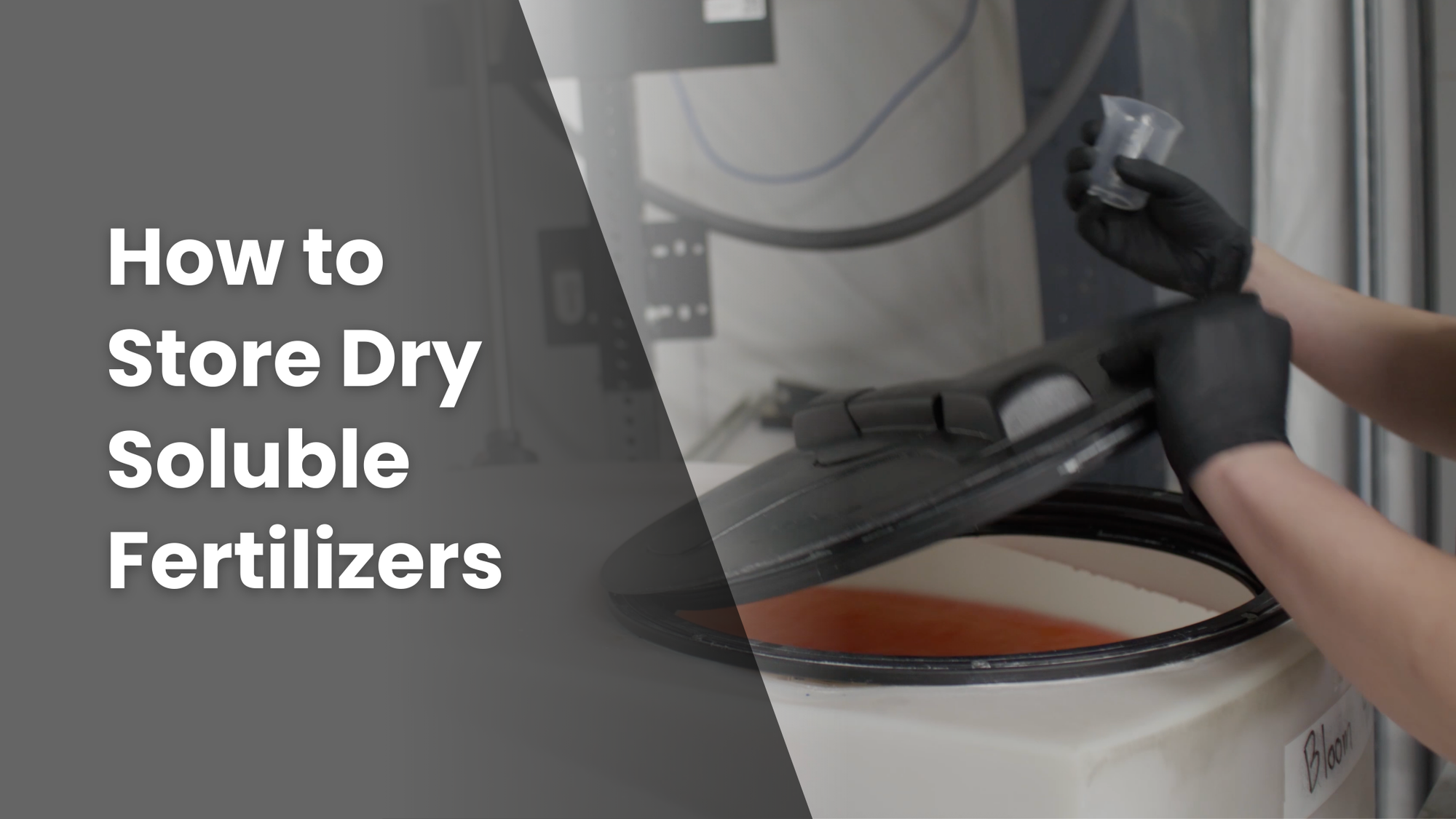
Featured image for a blog article, "How to Store Dry Soluble Fertilizers" with an image of someone retrieving fertilizer from a commercial container.
Operations

How to Store Dry Soluble Fertilizers

Dry soluble fertilizers are potent, precision tools for high-value crops, but their effectiveness hinges on proper storage. Neglecting environmental controls can lead to clumping, degradation, and inaccurate nutrient delivery, directly impacting crop health and yield. Implementing simple, systematic storage protocols protects your investment and ensures consistent, predictable results from your carefully formulated nutrient recipes.
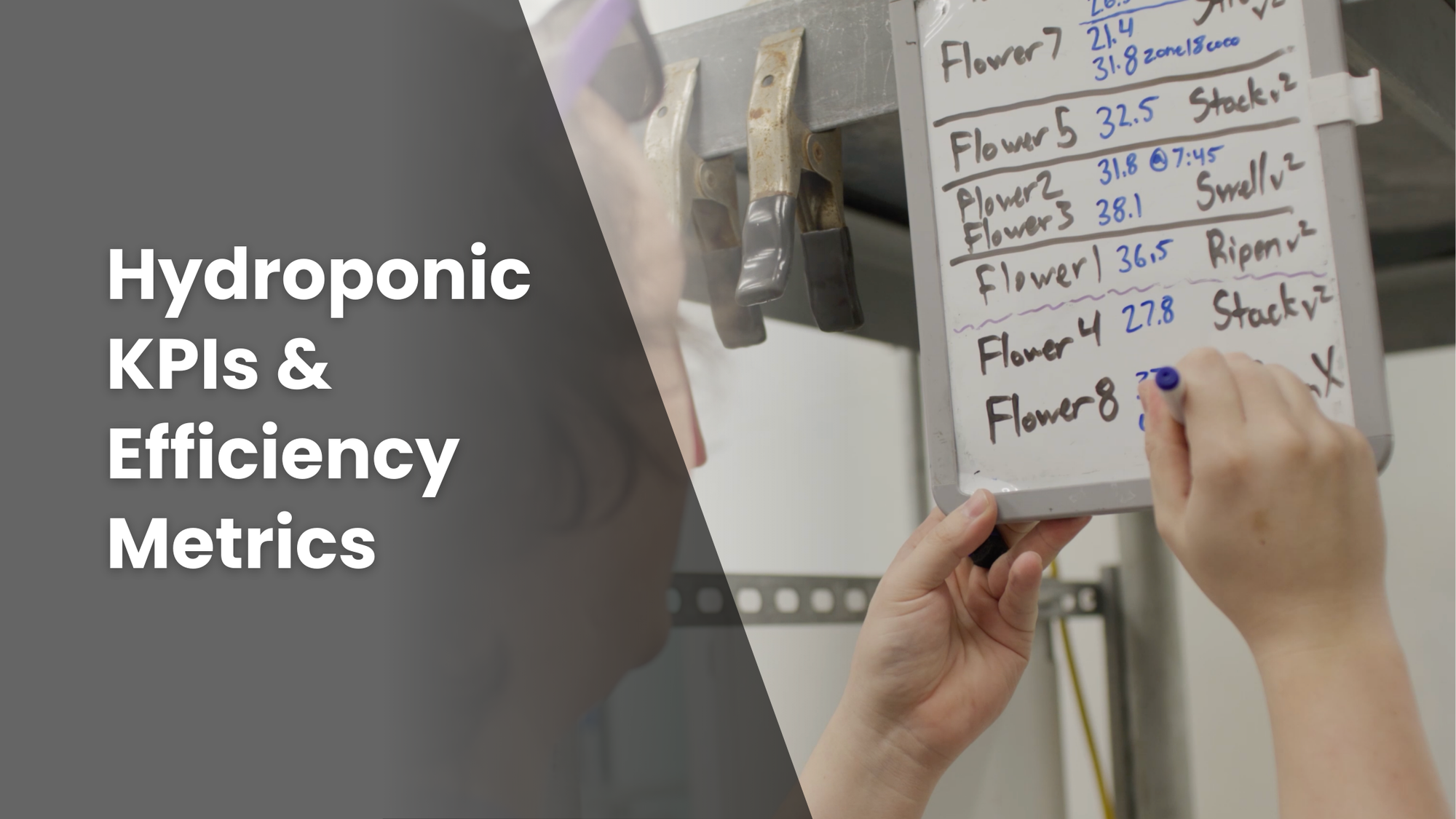
Featured image for a blog article, "How to Store Dry Soluble Fertilizers" with an image of a person writing on a whiteboard.
Operations

Hydroponic KPIs & Efficiency Metrics

Efficiency in high-value crop production is found at the intersection of input costs, environmental stability, and time management. Tracking hydroponic KPIs transforms a facility from a reactive environment into a precision manufacturing center where yields are predictable and resources are never wasted. By focusing on objective data points, facility managers can identify invisible leaks in their production and drive consistent results cycle after cycle.
Featured image for a blog article, "Silica Deficiency Signs in Commercial Cultivation" with an image of white powder in a glass dish.
Operations

Silica Deficiency Signs in Commercial Cultivation

Silica deficiency silently erodes plant strength, making high-value crops vulnerable to environmental stresses and mechanical damage. Addressing this often-overlooked nutrient gap is crucial for boosting crop resilience, improving quality, and safeguarding yields against common cultivation challenges.