
โพสต์บล็อก
How Nutrient Timing Impacts Plant Yield and Quality
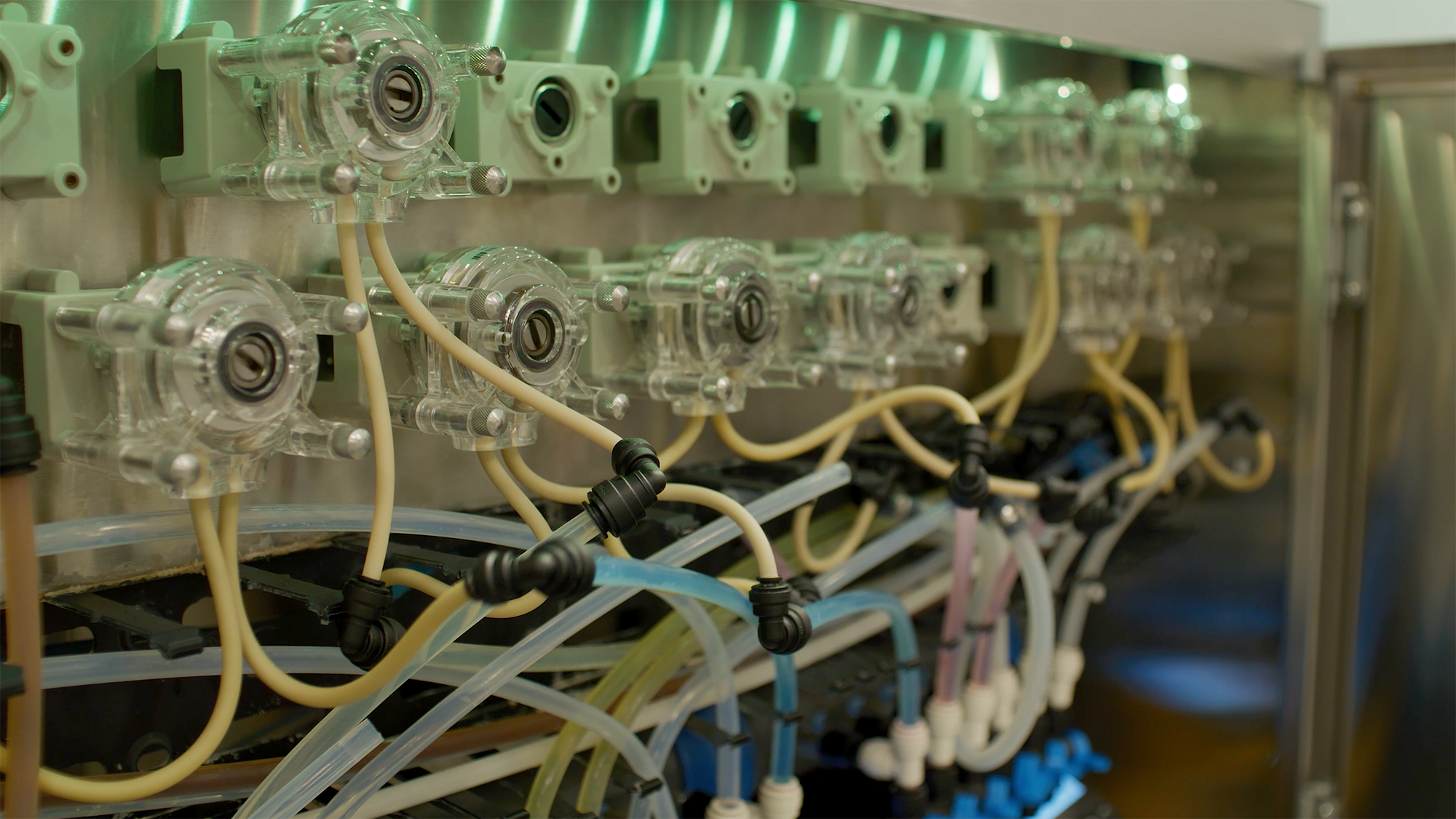
Stop using a "static recipe" and start feeding for the phase. Learn how to master nutrient timing by aligning EC, pH, and N-P-K ratios with vegetative growth, stretch, bulking, and ripening to eliminate guesswork and achieve repeatable, high-quality harvests with Front Row Ag.
Common Mistakes That Reduce Cultivation Yield and Quality
Yield and quality losses are rarely the result of a single failure. They are the result of compounding mistakes in environment, nutrition, and irrigation. From mastering VPD stability to perfecting your silica mixing order, learn the technician-level steps needed to eliminate cultivation drift and achieve predictable, high-performance harvests.
Water Temperature and Hydroponics
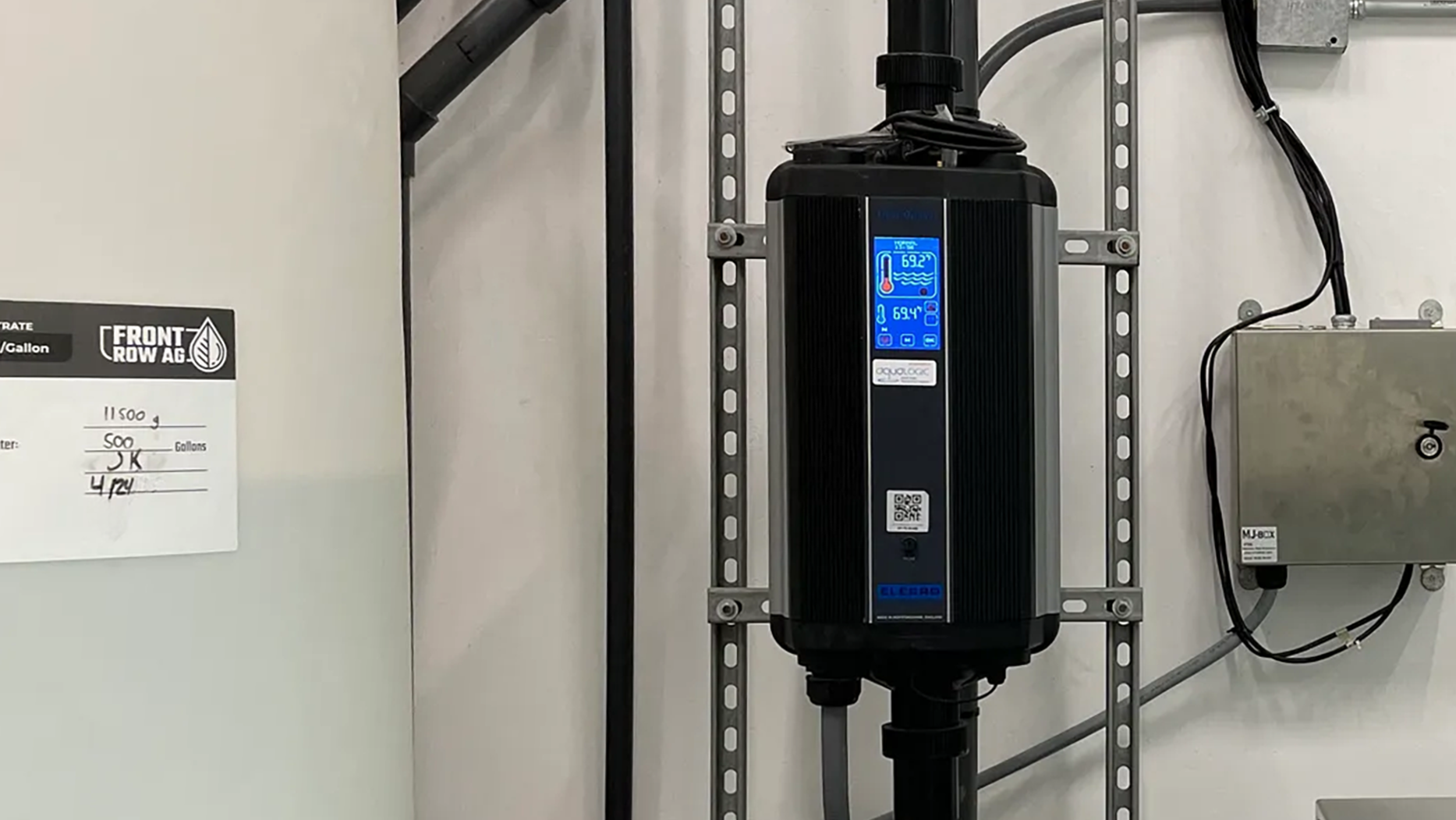
Water temperature is an underrated factor in hydroponics that affects nutrient solubility, oxygen levels, and root health. Ignoring it can lead to poor nutrient uptake, pathogen growth, and reduced yields. Maintaining an optimal 18-22°C (65-72°F) range ensures plant health and consistent crop quality.

How to Configure Your Dosatron Panel for Front Row Ag Fertilizer
How to configure and optimize Dosatron fertigation system for precise nutrient delivery of Front Row Ag fertilizer.

7 Factors That Cause Precipitation in Hydroponics And How To Avoid Them
Precipitation in hydroponic solutions can lead to reduced nutrient availability, clogged emitters, and compromised plant health. This 3-part guide focuses on the causes, manifestations, and troubleshooting steps for precipitation.

Understanding Front Row Ag Feed Charts
A technical guide to Front Row Ag Feed Charts covering stock concentrate methods (3-2-2) vs. direct-to-reservoir (DTR), along with phase-specific recipes designed to optimize plant performance throughout the growth cycle.

What Causes Irrigation Line Clogs? Monitoring & Maintenance Best Practices
A guide to irrigation system clogs in cultivation - their causes and effective solutions. Learn how to prevent, identify, and address blockages through best practices in water treatment, nutrient management, irrigation system design, monitoring, maintenance and more. 3 case studies included!

pH in Practice
Adjusting pH levels, choosing from common bases and acids for pH adjustment, understanding the sequence of pH adjusters for fertigation systems, and the importance of calibration and accurate pH measurement.
Water Cleanliness in Irrigation Systems
Water quality issues arise from seasonal changes, temperature shifts, and poor filter maintenance. This article compares effective pathogen risk reduction through disinfection methods like UV light, ozone, peroxides, hypochlorous acid, and chlorine compounds like Calcium Hypochlorite.

Unlock Your Grow’s Potential With This Unbelievably Simple Equation: $/ft2/day
Calculate $/ft2/day for each cycle and cultivar, associate the outcome changes with their causes, then do whatever is required to further increase $/ft2/day. If a cheaper input (e.g. fertilizer) decreases price or yield - you can easily lose much more revenue than you saved in OpEx.

Understanding pH: More Than You Wanted To Know (Part 2)
How nutrient absorption affects rootzone pH, when to use acids or bases, commonly used acids and bases in hydroponics, and considerations on pH management for cultivators.

Understanding pH: More Than You Wanted To Know (Part 1)
The chemistry of pH, acids, and bases and practical implications for cultivation.

การผลิตแบบลีนในการเพาะปลูก
การใช้หลักการผลิตแบบลีนเหล่านี้ทำให้ผู้เพาะปลูกมีโอกาสที่ดีที่สุดในการปรับปรุงและปรับตัวในสภาพแวดล้อมการผลิตที่ไม่แน่นอนและมีการแข่งขันสูง
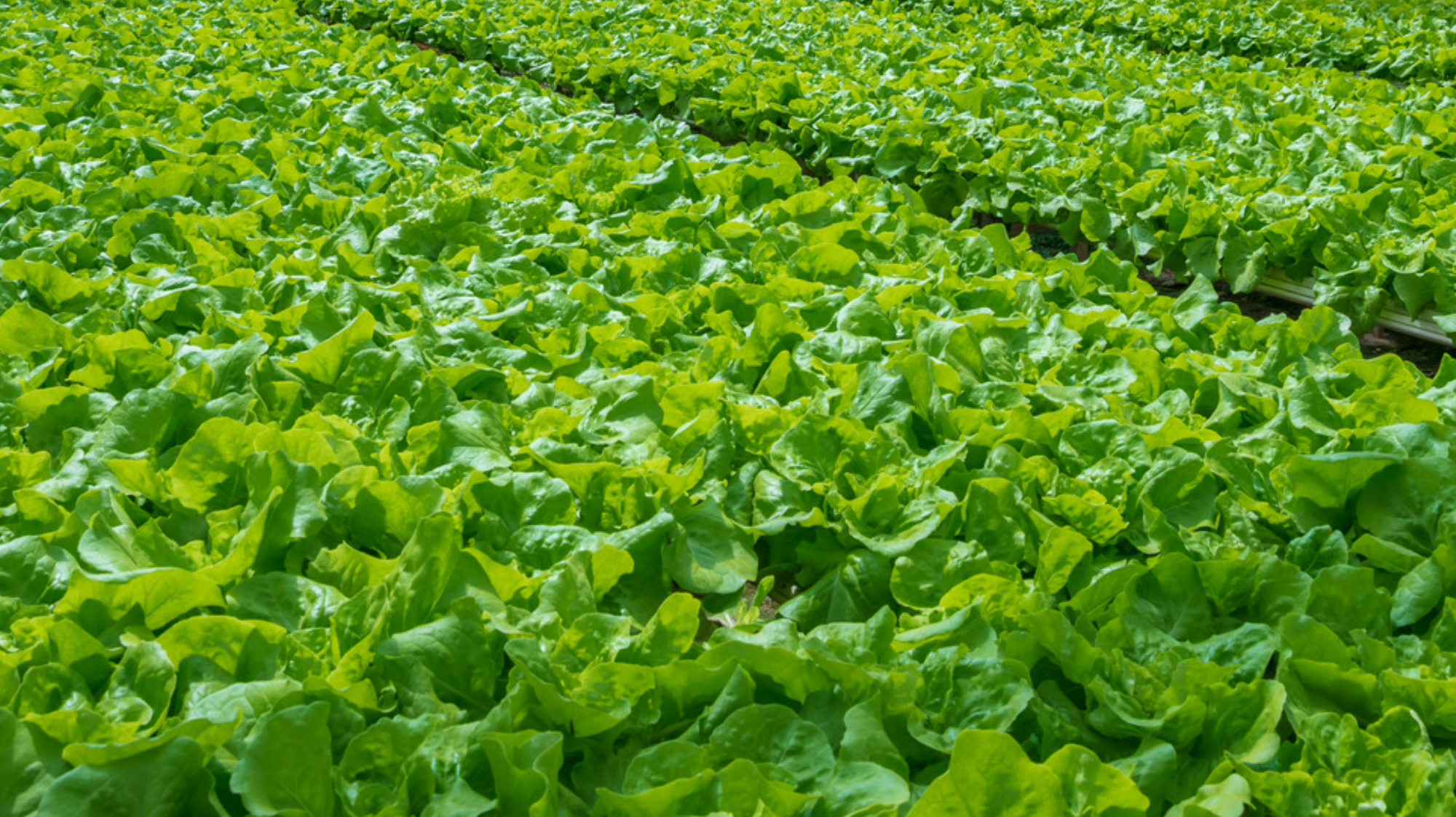
ปรับความหนาแน่นของไซต์ดอกไม้ให้เหมาะสมเพื่อให้ได้ผลผลิตสูงสุด
การเพิ่มความหนาแน่นของตำแหน่งดอกไม้ภายในทรงพุ่มเป็นสิ่งสำคัญสำหรับการเพิ่มผลผลิตและคุณภาพสูงสุดในสวน ในบทความนี้ เราจะสำรวจวิธีทำให้พืชมีความหนาแน่นที่เหมาะสมโดยสร้างสมดุลระหว่างขนาดพืช ระยะห่าง และระยะเวลาการปลูกผัก

ฟีด EC ข้อควรพิจารณาในการปลูกพืชไร้ดิน
คำแนะนำจากผู้เชี่ยวชาญเกี่ยวกับปัจจัยสำคัญ 6 ประการที่ต้องพิจารณาเมื่อตั้งค่าระบบฟีด EC ที่ประสบความสำเร็จสำหรับวงจรการเติบโตของพืชของคุณ: กลยุทธ์การให้น้ำ เป้าหมายแห้งของวัสดุพิมพ์และปริมาณน้ำ ความเข้มและคุณภาพของแสง การพิจารณาสภาพอากาศ (VPD) และระยะของการเติบโต
สมัครสมาชิกบล็อกของเรา
บทความใหม่ ส่งตรงถึงอินบ็อกซ์ของคุณ