
BLOG POSTS
How to Store Dry Soluble Fertilizers
Dry soluble fertilizers are potent, precision tools for high-value crops, but their effectiveness hinges on proper storage. Neglecting environmental controls can lead to clumping, degradation, and inaccurate nutrient delivery, directly impacting crop health and yield. Implementing simple, systematic storage protocols protects your investment and ensures consistent, predictable results from your carefully formulated nutrient recipes.
Hydroponic KPIs & Efficiency Metrics
Efficiency in high-value crop production is found at the intersection of input costs, environmental stability, and time management. Tracking hydroponic KPIs transforms a facility from a reactive environment into a precision manufacturing center where yields are predictable and resources are never wasted. By focusing on objective data points, facility managers can identify invisible leaks in their production and drive consistent results cycle after cycle.
Silica Deficiency Signs in Commercial Cultivation
Silica deficiency silently erodes plant strength, making high-value crops vulnerable to environmental stresses and mechanical damage. Addressing this often-overlooked nutrient gap is crucial for boosting crop resilience, improving quality, and safeguarding yields against common cultivation challenges.

How to Increase Flower Density and Bud Quality in Plants
High-value flower density isn’t about pushing more nutrients, it’s about precise metabolic timing. When nitrogen stays high too long and EC remains flat through bloom, plants keep expanding instead of consolidating, creating “phantom yield” that dries down light and airy. By intentionally reducing nitrogen, shifting mineral ratios toward generative elements, tapering EC through stretch, swell, and ripen, and stabilizing pH and runoff, growers can transition plants from frame-building to tissue-filling at the right moment. The result is denser flowers, stronger structure, improved quality, and repeatable, revenue-aligned outcomes.
Dry Soluble Nutrients Vs. Liquid Nutrients
Dry soluble nutrients give commercial cultivators tighter control, lower cost per gallon, and a more predictable feed program than liquid concentrates. By organizing high-concentration dry inputs into a structured system with defined EC contributions, validated mixing methods, and scalable stock or direct-to-reservoir options, Front Row Ag turns plant nutrition into a measurable, repeatable part of your operation, reducing variability, stabilizing the rootzone, and creating a clearer path to consistent yield and quality.

The Importance of pH Management Across Crop Growth Stages
Precise pH management is one of the most powerful levers in hydroponic production. By keeping pH tightly within the 5.5–6.0 window, growers unlock full mineral availability, prevent hidden lockout, and protect against both deficiency and toxicity, even at perfect EC. Paired with Front Row Ag’s stable, phase-specific nutrient system and correct mixing order, disciplined pH control turns the rhizosphere into a predictable, high-performance environment that consistently returns premium yields.

How Beneficial Microbes Fit into Advanced Fertility Strategies
Moving from sterile fertigation to a controlled synganic strategy is one of the most meaningful upgrades a commercial facility can make. Instead of “just feeding the plant,” you’re managing an ecosystem.
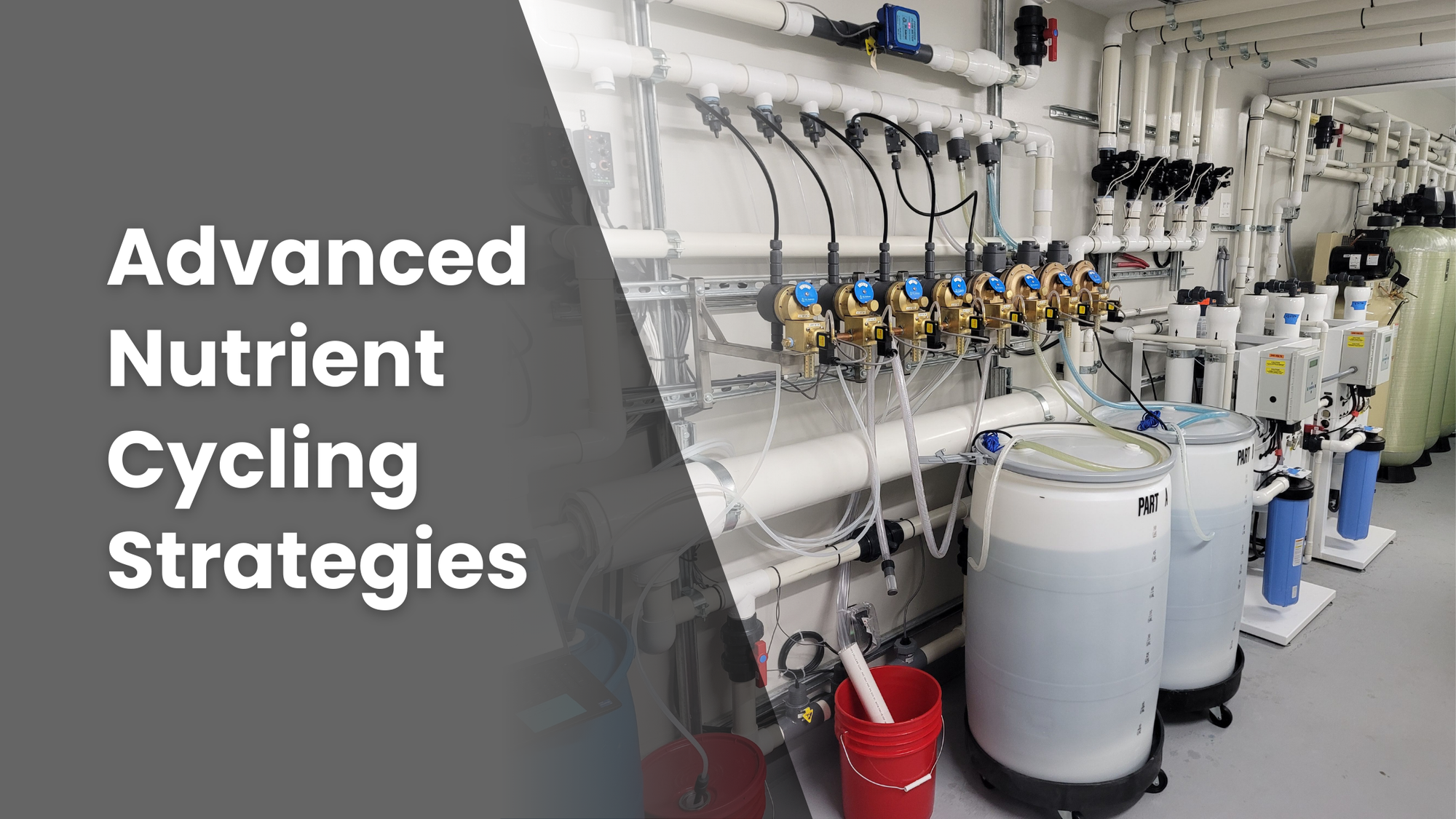
Advanced Nutrient Cycling Strategies to Boost Production
Stop fighting the "mix and dump" treadmill. Learn how advanced nutrient cycling transforms your fertigation into a stable, predictable engine for crop excellence. By mastering the management of EC and pH drift, commercial cultivators can eliminate the invisible bottlenecks that lead to biofilm buildup and mineral lockout. Discover how to leverage the Front Row Ag system, including enzymatic mobilization with PhosZyme and beneficial rhizobacteria with Triologic, to extend reservoir life, reduce fertilizer waste, and ensure your plants maintain peak metabolic momentum from veg through the final ripen.
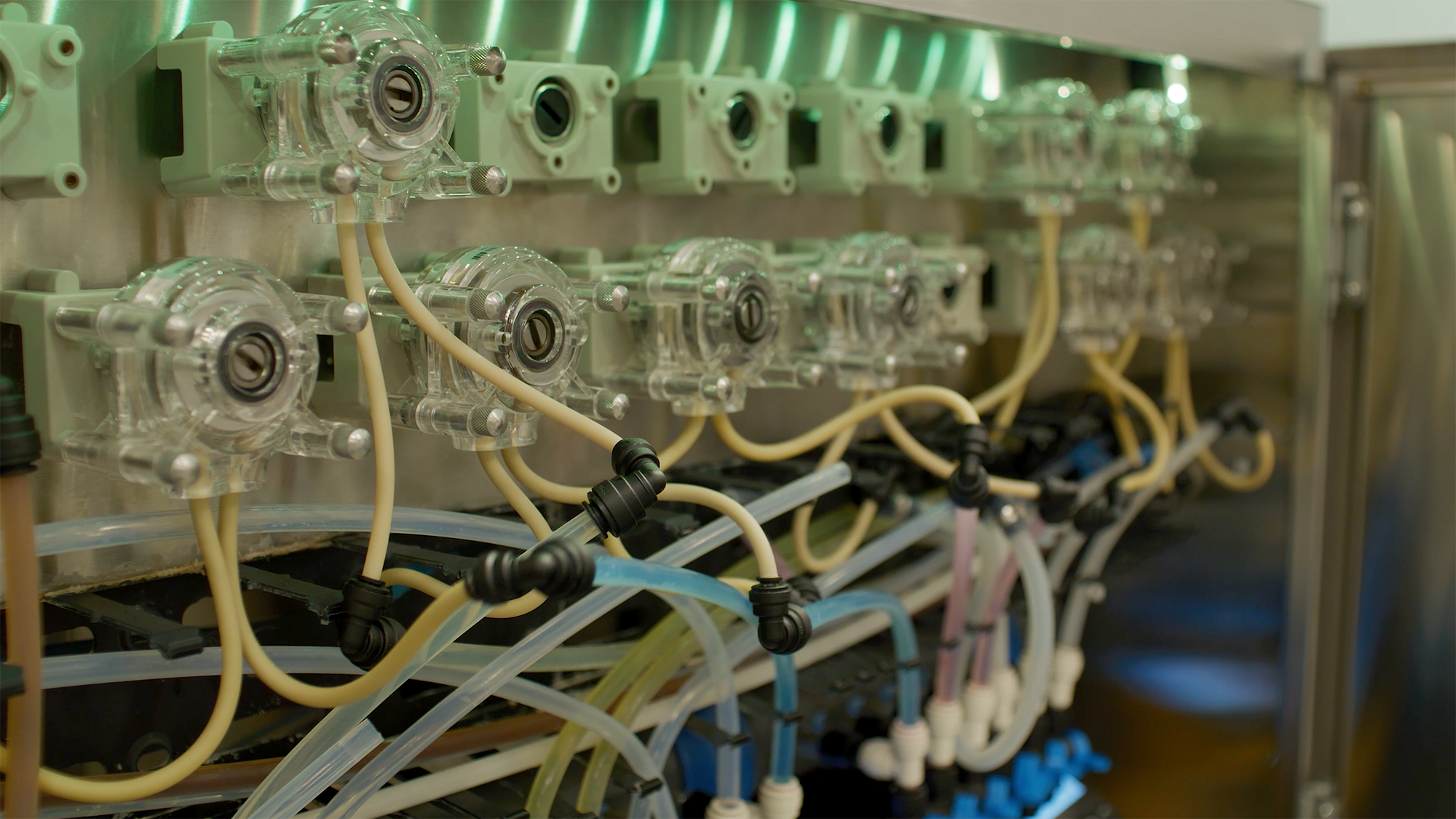
How Nutrient Timing Impacts Plant Yield and Quality
Stop using a "static recipe" and start feeding for the phase. Learn how to master nutrient timing by aligning EC, pH, and N-P-K ratios with vegetative growth, stretch, bulking, and ripening to eliminate guesswork and achieve repeatable, high-quality harvests with Front Row Ag.

Common Mistakes That Reduce Cultivation Yield and Quality
Yield and quality losses are rarely the result of a single failure. They are the result of compounding mistakes in environment, nutrition, and irrigation. From mastering VPD stability to perfecting your silica mixing order, learn the technician-level steps needed to eliminate cultivation drift and achieve predictable, high-performance harvests.
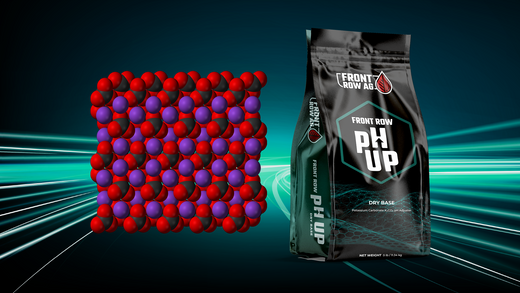
Potassium Carbonate for pH Up
Front Row pH Up, a professional-grade potassium carbonate supplement, exemplifies this advanced approach to pH management - delivering safer, more reliable nutrient solution maintenance while protecting system components and optimizing nutrient availability.

Understanding EC Contributions: A Technical Guide for Cultivators
Front Row Ag provides precise EC contribution data for each fertilizer component. This enables cultivators to customize nutrient recipes and confidently control concentration throughout growth. Learn how and why we include "EC Contributed" in our feed charts, and how you can use it to improve your grow.

4 Reasons Why Innovative Cultivators Are Harnessing Enzymes in Hydroponics
Enzymes such as phosphatase and mannanase drive critical processes like digestion and nutrient cycling. Learn how enzymatic products like Phoszyme are made, how they work, and the positive effects they have on your grow.

How To Use Triologic As A Mycorrhizae Amplifier
How Front Row Ag Triologic Facilitates Mycorrhization through promotion of mycorrhizae spore germination, mycorrhizal fungal growth prior to root colonization, and promotion of the plant's ability to allow mycorrhizal colonization.

Stabilized MSA Products in Horticulture: Unlocking the Full Potential of Silica
Why we made Front Row Si with stabilized monosilicic acid (MSA). Comparing various methods for stabilizing MSA. The unique advantages of polyol-stabilized MSA solutions, such as Front Row Si.

Understanding Silicic Acid
This article will discuss the use of silica (Si) in hydroponics, including: the different forms of silicon, their relevance to agriculture and hydroponic fertilizer, and functional benefits of Si in plants.
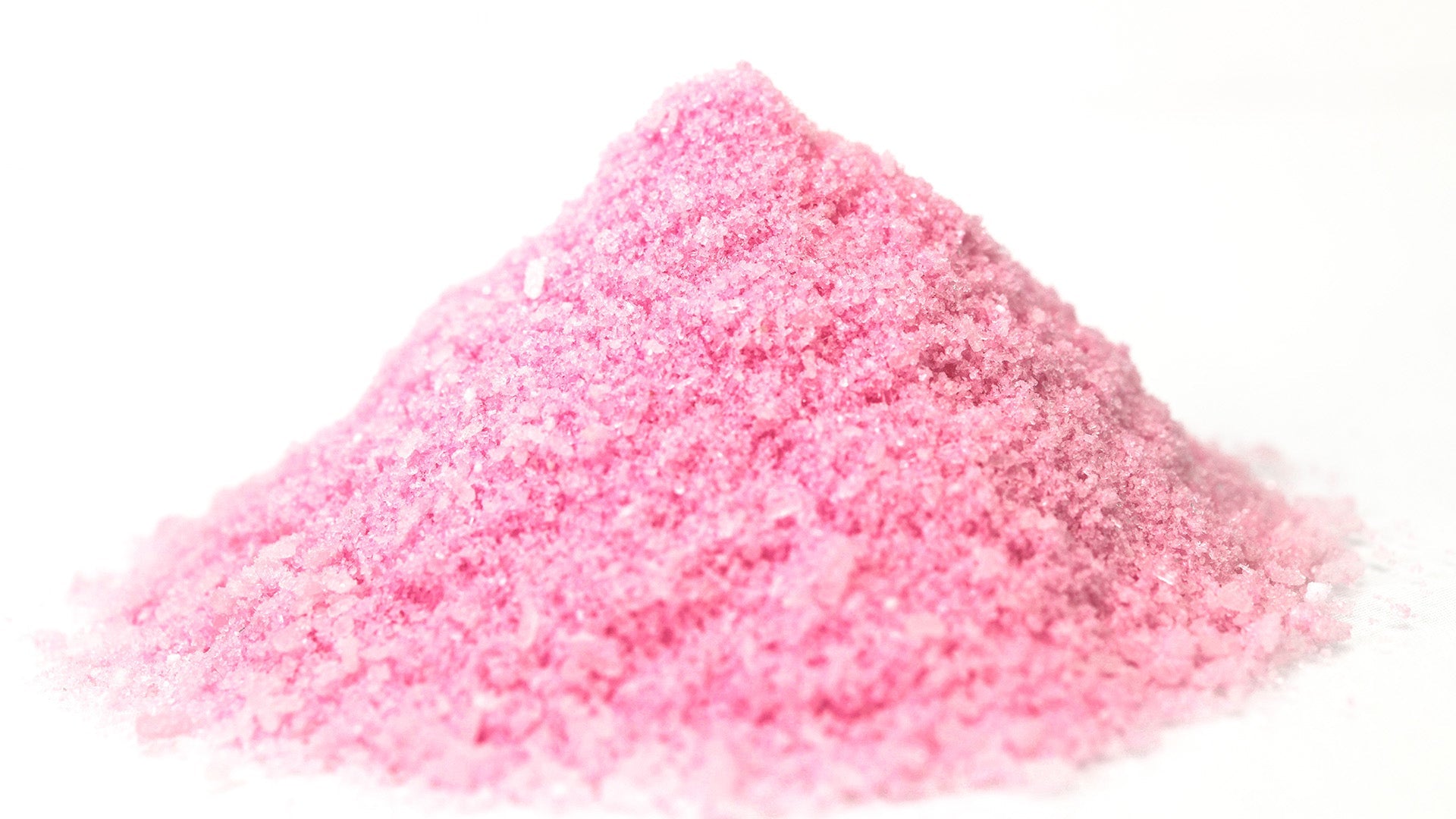
Salts Are Not Just Salts
Not all fertilizer blends are created equal. Choosing the right blend can impact plant growth and crop quality. Discover the importance of elemental ratios, micronutrient packages, and the quality and consistency of the inputs used to create a fertilizer blend.
Subscribe to our blog
New articles. Directly to your inbox.